
Tree Roots in Sewer Line: Warning Signs and Repair Options
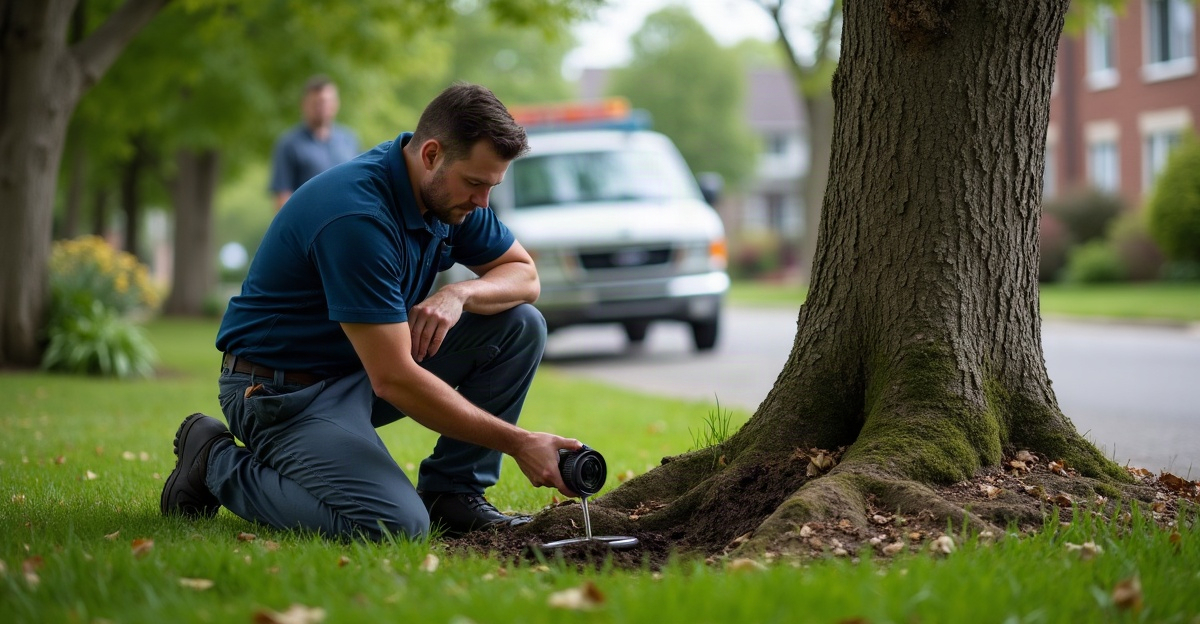
Tree roots can enter a sewer line through cracks, loose joints, and worn pipe sections. They cause repeat clogs, slow drains, gurgling sounds, and sewage backups. A sewer camera inspection confirms the cause. It also helps us choose cleaning, a targeted repair, trenchless lining, or full sewer replacement.
Key Takeaways
- Sewage backups, strong sewer odors, wastewater outside, or several clogged drains at once call for reduced water use and prompt professional service.
- Roots often invade the main sewer line. They trap grease, paper, wipes, and other debris that blocks wastewater flow.
- A camera inspection locates root growth. It also reveals cracks, separated joints, pipe offsets, and severe damage.
- Root cutting and hydro jetting can restore flow. However, they can’t seal the opening that let roots enter the pipe.
- Repeat root clogs often make a spot repair, trenchless repair, or sewer line replacement the stronger long-term solution.
When Sewer Symptoms Need Prompt Help
Tree roots in a sewer line can cause repeated clogs, slow drains, and sewage backups. Some symptoms point to an urgent sewer problem that needs prompt professional evaluation.
We recommend limiting water use and calling a plumber promptly if sewage backs up into tubs, showers, toilets, or floor drains. The same applies when several drains clog at once, sewage odors persist indoors or outdoors, or wastewater pools in the yard.
A simple decision path can help. One slow sink, shower, or toilet may be a localized drain problem. Monitor it closely, and schedule drain service if it continues. Recurring clogs or several slow fixtures often point to a main line issue, so a sewer camera inspection is the right next step. Sewage backups, strong odors, or outdoor wastewater require reduced water use and prompt professional help.
Warning Signs of Roots in a Sewer Line
Roots in a sewer line usually affect the main sewer line, also called the sewer lateral, rather than one fixture drain. The sewer lateral is the privately owned pipe that carries wastewater from a building to the public sewer connection or septic system.
Sewer root intrusion can create symptoms throughout a property. Homeowners, landlords, property managers, and business owners in Turlock, Modesto, Merced, and nearby Central Valley communities should watch for recurring clogs after snaking or drain cleaning. Multiple slow drains are also a common warning sign.
Other signs include toilets that gurgle while a sink, shower, or washing machine drains. Sewage may back up through low fixtures, such as shower pans, tubs, or floor drains. Persistent sewer odors indoors or outside also deserve attention.
The yard can provide clues as well. Unusually green grass, wet or soft soil, sunken areas, or wastewater near the sewer route may point to a damaged sewer lateral. Mature trees near the sewer line raise the likelihood of root-related trouble, especially with older clay, cast-iron, Orangeburg, or jointed pipe systems.
Symptoms alone cannot confirm roots. Grease, wipes, pipe damage, or a separate drain issue can produce similar problems. A professional inspection provides a clear answer.
Why Tree Roots Enter Sewer Lines and Why Not Every Clog Is a Root Problem
Tree roots can enter sewer lines through small cracks, loose joints, aging connections, or damaged pipe sections because roots seek moisture and nutrients. Root intrusion means roots have grown into a sewer pipe through an opening or defect.
Once roots enter the pipe, they can spread and catch toilet paper, grease, and other debris. That buildup restricts flow and can lead to repeated clogs or backups. Clearing the blockage may restore drainage, but the roots can return if the pipe opening remains.
Roots are a common cause of repeat sewer problems, but they are not the cause of every clog. Grease buildup, flushable wipes, mineral scale, broken pipes, pipe bellies, offsets, damaged sections, and a problem in one fixture drain can all slow drainage or cause backups.
A sewer camera inspection is the most reliable way to confirm roots and assess the pipe’s overall condition. We do not recommend relying on corrosive drain cleaners or unverified DIY chemicals. These products may damage plumbing, harm septic systems, and create environmental concerns. Chemical root treatments may provide limited temporary control in certain situations, but they do not repair cracks, separated joints, or collapsed pipe. A qualified plumbing professional should evaluate whether any treatment fits the specific system.
How a Sewer Camera Inspection Confirms Root Intrusion
A sewer camera inspection should be a core diagnostic step for recurring, widespread, or urgent sewer symptoms. This professional process sends a small camera through the sewer line so we can view the inside of the pipe.
The camera can identify roots, locate the affected area, and show whether the pipe is cracked, offset, separated, or collapsed. Locating equipment may also help identify the problem area from above ground. This gives property owners a clear view of whether cleaning may help or whether repair is needed.
Temporary clearing can improve flow without fixing the pipe damage that allowed the roots inside. That is why diagnosis matters. In older Central Valley homes, professional camera inspections can reveal root patterns, aging pipe materials, joint failures, and other conditions that are not visible from the surface.
For recurring clogs and slow drains, professional drain cleaning service can restore flow while inspection findings guide the next repair decision.
Repair Options for Root-Damaged Sewer Lines
Clearing roots and repairing the entry point are two different steps. Root cutting or cleaning may restore drainage, but it does not always repair the crack, loose joint, or damaged section where roots entered.
Mechanical root cutting, often performed with drain snaking equipment, can cut through roots and reopen the pipe. It often works as a short-term solution or maintenance step when the pipe is otherwise sound.
Hydro jetting uses high-pressure water to clear debris and loosen smaller root growth from the inside of a pipe. It can be effective for appropriate pipe conditions, but a professional should evaluate the line first. Severely damaged or fragile pipes may not be suitable for hydro jetting.
A spot repair replaces or repairs one localized damaged section. It may be appropriate when the camera shows a single crack, separated joint, or isolated defect.
Trenchless repair refers to repair methods that can reduce excavation in suitable situations. Pipe lining is one trenchless option that creates a new lining inside an existing pipe. It may work for structurally stable lines with limited damage, depending on access, pipe diameter, and the type of defect. Learn more about trenchless pipe replacement options for qualifying sewer lines.
Sewer line replacement may be necessary when damage is widespread or the pipe has severe cracks, major offsets, bellies, advanced deterioration, or collapse. A full sewer line replacement can provide a lasting solution when repeated cleaning no longer makes financial sense.
Repair cost depends on pipe material, depth, length and location of damage, access, landscaping or concrete removal, permits, local requirements, and the selected repair method. A camera inspection allows for a more accurate recommendation and fair estimate.
Preventing Repeat Root Problems and Common Questions
Schedule a camera inspection after recurring sewer issues rather than repeatedly treating symptoms. Use routine cleaning only when the pipe condition supports it. If roots return often because of pipe defects, repair or replacement usually makes more sense than frequent clearing.
Avoid planting new trees directly over or immediately beside known sewer routes. Keep inspection and repair records, especially for rental properties and commercial buildings. Avoid flushing wipes, grease, and non-flushable items, since they can catch on minor root growth and make blockages worse. During an active backup, reduce water use until the problem is evaluated.
Property owners are often responsible for the private sewer lateral from the building to the public connection. Responsibility can vary by city, utility, easement location, and property circumstances. Property owners in Turlock, Modesto, Merced, and nearby areas should verify responsibility with the relevant municipal utility or public works department.
Common Questions About Sewer Roots
Can tree roots clog a sewer line? Yes. Roots can enter through pipe defects, grow inside the line, and catch debris that creates a blockage.
How do we know if roots are in a sewer line? Recurring clogs, multiple slow drains, gurgling, backups, odors, and wet yard areas can be warning signs. A sewer camera inspection is needed to confirm the cause.
Will drain snaking remove tree roots? Mechanical root cutting or drain snaking can cut through roots and restore flow, but it may not repair the pipe opening where roots entered.
Is hydro jetting safe for a sewer line with roots? It can be appropriate for certain pipe conditions, but the line should be evaluated first because severely damaged or fragile pipes may not be suitable.
Can tree roots be removed without digging up the yard? In some cases, root cutting, hydro jetting, or trenchless pipe lining may reduce digging. The available option depends on pipe condition and the type of damage.
How often do sewer roots need to be cleared? That depends on the pipe condition and whether the entry point has been repaired. Frequent repeat clearing often indicates that repair or replacement is the better long-term choice.
Are homeowners responsible for tree roots in a sewer line? Property owners are often responsible for the private sewer lateral, but responsibility varies by municipality, utility, easement location, and property circumstances.
Recurring clogs, multiple slow drains, or suspected sewer root intrusion deserve a clear diagnosis. Contact Sal’s Plumbing Service for a sewer camera inspection and straightforward repair recommendations.