
Why Does My Drain Smell? Common Causes and Warning Signs
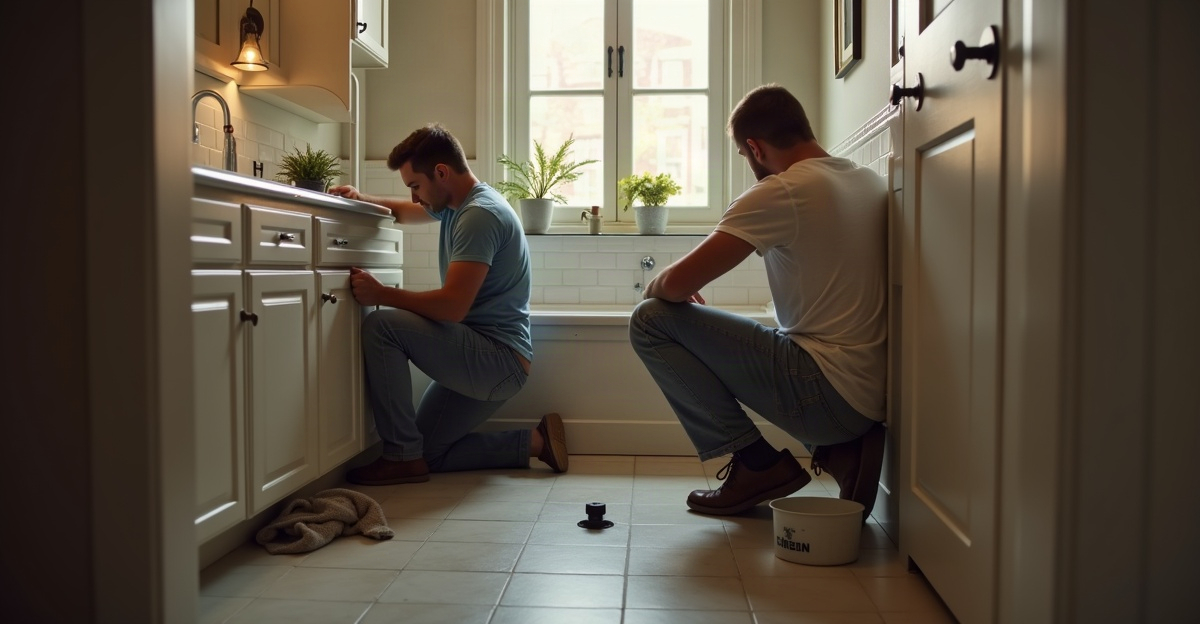
If we ask, “Why does my drain smell?” the cause may range from simple buildup or a dry P-trap to a clog, failed toilet seal, or sewer issue. Odor type, fixture location, and signs like slow drainage, gurgling, or sewage backups help us determine whether cleaning will solve the problem or professional service is needed.
Key Takeaways
- Musty, sour, or garbage-like odors often result from biofilm, hair, soap scum, food waste, grease, or partial clogs.
- A dry P-trap can allow sewer gas to enter through rarely used sinks, showers, or floor drains. Running water may restore the water seal.
- Sewer-like odors near a toilet base may signal a loose toilet or failed wax ring.
- Odors from several fixtures, widespread slow drains, gurgling, or backups may indicate vent, sewer line, or septic system issues.
- We should avoid mixing cleaners or using harsh chemical drain products. We should schedule service for persistent or recurring odors.
Quick Answer: What a Drain Smell Can Mean
A drain can smell because of buildup inside the pipe, a dry P-trap, food or hair clogs, venting trouble, damaged seals, hidden leaks, or sewer and septic problems. The answer to “why does my drain smell” often depends on where the odor starts, what it smells like, and whether it keeps returning.
A drain opening is only one part of the plumbing system. Odors can come from the drain itself, the P-trap, a branch line, a plumbing vent, a toilet wax ring, a sewer line, a septic system, or a hidden leak.
Musty or sour odors often point to biofilm, soap scum, hair, or food residue. A rotten-egg or sewer-like smell may involve a dry trap, sewer gas, venting trouble, a failed seal, or a sewer issue. Garbage-like kitchen odors usually come from food debris, grease, disposal residue, or a dirty dishwasher connection.
| Where the smell is coming from | Likely cause | Safe first step | When to call a plumber |
|---|---|---|---|
| Bathroom sink | Soap scum, toothpaste, hair, or overflow buildup | Clean the stopper and accessible drain parts | The odor returns or the sink drains slowly |
| Kitchen sink | Food waste, grease, disposal residue, or dishwasher hose buildup | Clean the strainer and disposal as directed by its manufacturer | There is a recurring smell, slow drain, or backup |
| Shower or tub | Hair, body oils, soap residue, or a partial clog | Remove visible hair and clean the drain cover | Water stands, gurgles, or drains poorly |
| Floor drain | Dry P-trap or sewer-gas entry | Run water into the drain to refill the trap | The sewer odor returns quickly |
| Toilet base | Loose toilet or failed wax ring | Avoid moving the toilet | The toilet rocks or the odor is strong |
| Multiple fixtures | Vent, sewer line, or septic issue | Limit water use if drains are backing up | Schedule service promptly |
When a Drain Smell May Be a Plumbing Problem
We recommend calling a plumber promptly if a sewer smell comes from more than one drain or spreads through the property. Persistent sewer-gas odors and any sewage exposure need timely assessment, especially in occupied homes, rental properties, and businesses.
Service is also needed if odors return soon after cleaning or refilling a P-trap. Other warning signs include slow drains across the building, gurgling or bubbling fixtures, sewage backing up into a tub or sink, and wet areas near plumbing fixtures.
A smell that is strongest around the toilet base can point to a loose toilet or failed wax ring. Recurring odors with septic drainage trouble also need professional attention. Strong gas-like or sewer-like odors should not be ignored.
A qualified plumber can inspect traps, drain lines, toilet seals, vents, cleanouts, sewer lines, and visible signs of leaks or blockages. An onsite inspection helps identify the likely source and the right repair. We can provide professional drain cleaning for buildup and clogs, while larger issues may require sewer line repair. For urgent backups or active plumbing concerns, contact us for emergency plumbing service.
Common Drain Odor Causes Beyond the Drain Opening
Dry Traps, Buildup, and Venting Problems
The P-trap is the curved pipe beneath a sink or near a shower or floor drain. It holds water that blocks sewer gases from entering the room. If a fixture has not been used for weeks or months, that water can evaporate. This can cause a sewer smell from drain openings, especially in garages, utility rooms, vacant homes, and rarely used bathrooms.
Running water for a short time can refill the trap and restore the water seal. If the smell returns quickly, the trap may have a leak, the venting may be poor, or another plumbing issue may be present.
Biofilm is another common source of odor. Bacteria-containing buildup can form from soap scum, body oils, hair, toothpaste, food particles, and standing water. These sour or musty drain odor causes can develop even when water still flows. A partial clog can hold debris inside the pipe and create odor over time.
Vent pipes help the plumbing system move wastewater and sewer gases correctly. A blocked or improper vent can contribute to gurgling drains, bubbling water, slow drainage, and recurring sewer-like odors. Cleaning the drain opening will not correct a vent problem.
Toilet Seals, Sewer Lines, and Septic Issues
A failed wax ring or damaged toilet seal can allow sewer gas around the toilet base. The odor may be strongest near the floor instead of inside the bowl. A toilet that shifts, rocks, or feels loose needs attention because movement can damage the seal further.
Sewer line blockages, damaged pipes, and septic drainage issues can affect several fixtures at once. Common signs include widespread slow drainage, gurgling, odors at multiple drains, and sewage backup. Basic cleaning cannot repair broken pipes, failed toilet seals, damaged traps, blocked vents, or recurring sewer problems. In some cases, a trenchless pipe replacement may be a practical option for a damaged underground line.
Drain Odors by Fixture: Bathroom, Kitchen, Shower, Floor Drain, and Toilet
A smelly bathroom sink drain often contains toothpaste, soap scum, hair, and biofilm. Buildup may also collect on the stopper and inside the overflow opening. Cleaning only the visible drain may leave odor-causing residue behind.
Kitchen drains often smell from food scraps, grease, disposal residue, sink strainers, or dishwasher drain hose buildup. Grease and food waste can stick to pipe walls and cause both odor and partial clogs. Avoid putting fats, oils, and greasy scraps into the drain.
Shower and tub drains collect hair, soap residue, body oils, and debris. A partial clog can hold standing water around this material, which creates a stale or sour smell.
Floor drains often smell like sewer gas because their traps dry out. This is common in laundry rooms, garages, utility rooms, basements, commercial spaces, and vacant properties. Adding water may restore the trap seal, but recurring odors need further assessment.
Toilet-area odors may come from a wax ring, a loose base, or a drain and sewer issue. Avoid caulking or covering the odor before the cause is found, since that can delay an important repair.
Safe First Steps for a Minor Drain Smell
For a mild odor limited to one fixture, start with simple cleaning and observation. Ventilate the room, wear gloves when removing visible debris, and clean removable drain parts with warm water and a mild cleaner.
- Remove and wash the sink stopper, strainer, or drain cover where appropriate.
- Flush rarely used sinks, showers, and floor drains with water to refill their P-traps.
- Use a small drain brush or flexible plastic drain tool to remove accessible hair and residue without reaching deep into the plumbing.
- For kitchen drains, clean the strainer and garbage disposal according to the manufacturer’s instructions.
Baking soda, vinegar, warm water, and basic cleaning may reduce surface buildup or a minor odor. However, they do not repair a broken sewer pipe, blocked vent, damaged trap, failed toilet seal, hidden leak, or recurring clog.
Never mix bleach, ammonia, vinegar, or commercial cleaning products. Mixed cleaners can create dangerous fumes. Avoid boiling water because it can damage some fixture components and plumbing materials. Warm or hot tap water is the safer general choice. Keep the area ventilated and avoid direct contact with sewage or contaminated water.
What Not to Put Down a Smelly Drain and When to Schedule Service
Avoid strong chemical drain cleaners. These products can damage some plumbing materials, create hazardous fumes, and make professional drain work less safe. They can also mask an odor without correcting a vent, seal, clog, sewer, or leak problem.
Basic cleaning makes sense when the smell affects one fixture, there is no sewage backup, and the odor improves after cleaning or refilling the trap. Schedule an inspection if the odor persists, returns quickly, affects multiple fixtures, or occurs with slow drains, gurgling, wet areas, toilet movement, or sewer-like smells.
Homeowners, landlords, property managers, and business owners in Turlock, Modesto, Merced, and nearby Central California communities can contact Sal’s Plumbing Service for persistent drain odors or suspected sewer, venting, leak, and drainage problems. We offer drain cleaning in Modesto and drain cleaning in Merced for local properties with recurring drainage concerns.
Drain Smell FAQs
Why does a drain smell like sewage?
A dry P-trap, failed toilet seal, venting issue, sewer line concern, or septic problem may allow sewer odors into the building.
Can a dry P-trap cause a sewer smell from a drain?
Yes. Water inside the trap forms a barrier against sewer gases. If that water evaporates, odor can enter through the drain.
Why does a bathroom sink drain smell even after cleaning?
Buildup may remain on the stopper, in the overflow passage, farther inside the drain line, or in a partial clog.
Can a clogged drain cause a sewer smell?
Yes. A partial clog can hold food, hair, soap residue, and standing water that creates odors. Widespread clogs or sewer smells need professional assessment.
Is it safe to use baking soda and vinegar in a smelly drain?
These may help with minor surface buildup, but they are not a complete repair for plumbing defects or recurring odors. Never combine them with bleach, ammonia, or other cleaners.
Why do multiple drains smell at the same time?
Multiple odors can point to a venting issue, sewer line blockage, sewer defect, or septic drainage problem.
Why does a floor drain smell when it has not been used?
Its P-trap may have dried out. Add water to restore the seal, then arrange service if the smell returns.