
Water Heater Sediment: Signs of Buildup and When to Get Help
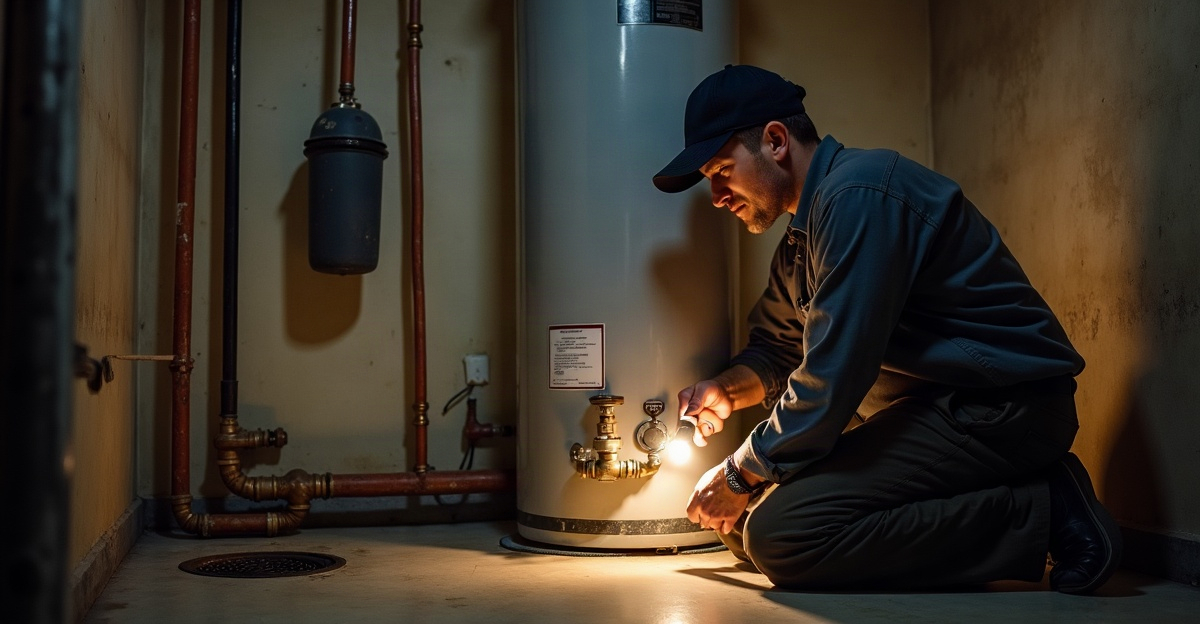
Water heater sediment can cause rumbling noises, slower recovery times, less hot water, and higher energy use as mineral deposits collect inside a storage tank. These symptoms may also signal leaks, corrosion, failed components, or safety concerns. Our professional inspection identifies whether flushing, repair, or replacement offers the right next step.
Key Takeaways
- Minerals in hard water often create sediment that settles at the bottom of tank water heaters.
- Rumbling, popping, banging, uneven temperatures, and limited hot water can signal buildup, but they don’t confirm it.
- Flushing can remove loose sediment, but it can’t correct hardened deposits, corrosion, leaks, or failed parts.
- Our team should inspect older water heaters or units with leaks or heavy corrosion before we flush them.
- Gas odors, electrical issues, active leaks, and severe corrosion need prompt professional service.
Call a Plumber Promptly for These Water Heater Warning Signs
Water pooling around a water heater or visible tank leaks need prompt professional attention. A leaking temperature-and-pressure relief valve also needs inspection because it may signal a pressure, temperature, or valve problem.
We recommend calling a licensed plumber if there is no hot water along with loud noises, visible corrosion, or other unusual symptoms. Persistent rumbling, inconsistent temperatures, leaks, and rust can involve sediment, but they can also point to mechanical failures that need a proper diagnosis.
Gas-related concerns require immediate safety action. If there is a gas odor, hissing near gas connections, scorch marks, or burner concerns, leave the area. Avoid light switches, electrical devices, flames, and attempts to troubleshoot the heater. Contact the gas utility or emergency services as appropriate.
Electrical warning signs also require fast action. Tripped breakers, burning smells, damaged wiring, or signs of overheating should be assessed by a qualified professional. We should never continue operating equipment that may have an electrical fault.
Visible rust, severe corrosion around fittings, or deterioration on the tank can signal a larger issue. Repeated brown, red, cloudy, or rusty hot water, metallic odors, or major changes in water quality also warrant an inspection.
For homeowners, landlords, property managers, and business owners in Turlock, Modesto, Merced, and nearby Central California communities, we provide practical water heater repair assessments. We’ll identify the source of the problem and explain the most sensible options before work begins.
Signs Your Water Heater May Have Sediment Buildup
Water heater sediment can develop slowly, so performance changes often start small. These symptoms may suggest sediment buildup in a water heater, but one sign alone does not confirm the cause.
Rumbling, popping, crackling, or banging during a heating cycle can occur when water heats beneath mineral deposits at the bottom of a tank. These noises may also result from expansion, pressure concerns, heating-element issues in electric models, or other mechanical faults.
Less available hot water is another common concern. A heater may run out of hot water faster than usual or take longer to recover between showers, laundry, and dishwashing. Sediment can take up space inside a tank and make it harder for the system to transfer heat efficiently.
Higher utility use without another clear explanation may also deserve attention. The heater may need extra energy to heat water through a layer of mineral deposits. Temperature swings can have several causes as well, including a faulty thermostat, heating element, or damaged dip tube.
Cloudy, brown, red, or rust-colored hot water may occur with sediment, but it can also involve tank corrosion, plumbing pipe issues, or water supply conditions. Repeated discoloration, metallic odors, visible particles, or rust should be checked by a plumber.
During an inspection, we can rule out concerns such as a failed heating element, faulty thermostat, damaged dip tube, worn anode rod, pressure problem, or active leak. That helps prevent a flush from becoming an unnecessary expense or delaying a needed repair.
What Water Heater Sediment Is and Why It Can Affect Performance
Water heater sediment is mineral deposits, often related to hard water, that settle at the bottom of many storage-tank water heaters. The amount and type of buildup can vary based on the water entering the home and how the equipment has been maintained.
Sediment and scale are related but different. Sediment commonly settles in the bottom of a tank. Mineral scale can form on heating surfaces and internal components. In electric water heaters, scale can build on heating elements. In gas units, sediment can create a barrier between the burner heat and the stored water.
As buildup increases, the heater may need more energy to heat the water. It can contribute to overheating sounds, reduced efficiency, longer recovery times, and added strain on equipment. In some cases, it can reduce available hot water and shorten equipment life.
Sediment does not always cause a water heater to fail. Likewise, flushing a tank does not always restore lost performance. Hardened deposits and unrelated component problems may remain after a flush.
Water hardness, household hot-water use, equipment age, maintenance history, and manufacturer recommendations all influence maintenance needs. Water hardness and water conditions can vary by neighborhood and water source. A professional evaluation gives us a clearer picture of what the heater needs.
What to Do Next: Monitor, Maintain, Flush, Repair, or Replace
Mild, occasional noise may be worth monitoring if the heater otherwise delivers steady hot water and shows no signs of leaks, rust, or safety concerns. We should review the owner’s manual and the manufacturer’s maintenance guidance before attempting any service.
Reduced performance, repeated noises, or an unknown maintenance history often justify professional water heater maintenance. A technician can inspect the tank, connections, safety devices, and heating components before recommending the next step.
Water heater flushing may remove loose sediment from some tanks. It may not remove hardened deposits or resolve every performance issue. Flushing cannot repair a corroded tank, failed heating element, damaged dip tube, worn anode rod, faulty thermostat, active leak, or gas or electrical concern.
Older units require extra caution. A heavily neglected, corroded, or leaking water heater should be inspected before flushing. In these cases, flushing may not be the safest or most useful next step.
Flushing also involves hot water, water pressure, drainage, and proper gas or electrical shutoff procedures. We recommend following the manufacturer’s instructions and contacting a licensed plumber when there is any uncertainty, especially with gas units, electric units, older equipment, or difficult drainage conditions.
There is no single maintenance schedule that fits every heater. Manufacturer guidance should lead the decision, with adjustments based on water hardness, unit age, usage, current condition, and prior service history. If a system has recurring problems, major corrosion, tank leaks, or is nearing the end of its expected service life, we should discuss repair versus replacement.
Tank Water Heaters vs. Tankless Water Heaters
Tank water heaters store and heat a supply of water inside a tank. Sediment can collect at the base, affecting heating efficiency, available hot water, and noise levels. Water heater flushing is a maintenance option for some storage-tank models when the unit’s condition supports it.
Tankless water heaters do not store water in a tank. They can still develop mineral scale inside their heat exchanger and other internal components. This buildup can affect performance and may require professional or manufacturer-approved descaling rather than flushing a storage tank.
Manufacturer guidance matters for both systems. Proper water heater maintenance depends on the model, fuel type, installation, water conditions, and equipment condition. A service professional can recommend the correct approach without applying tank-water-heater advice to a tankless unit.
Water Heater Sediment FAQs
What does sediment in a water heater sound like?
It may sound like rumbling, popping, crackling, or banging while the unit heats water. These sounds can have other causes, so persistent or severe noise should be inspected.
Can sediment cause a water heater to stop working?
Sediment can reduce efficiency, strain components, and contribute to performance problems. It does not always cause complete failure. A plumber can determine whether sediment or another fault is involved.
Will flushing a water heater remove sediment?
Flushing may remove loose sediment in some tanks. It may not remove hardened deposits or correct damaged, corroded, leaking, or failed components.
Is brown hot water always caused by water heater sediment?
No. Brown, red, cloudy, or rust-colored hot water can also point to corrosion, pipe issues, or water supply conditions.
Should we flush an old water heater?
An older, heavily neglected, corroded, or leaking unit should be inspected before flushing. Flushing is not always the safest or most useful next step.
Do tankless water heaters get sediment buildup?
Tankless units do not store water in a tank, but mineral scale can develop inside their components. They may need manufacturer-approved descaling.
When should we repair or replace a water heater with sediment problems?
Consider a professional evaluation for recurring problems, major corrosion, tank leaks, poor performance, or a unit nearing the end of its expected service life.
If a water heater is making persistent noises, producing inconsistent hot water, leaking, or showing signs of corrosion, Sal’s Plumbing Service can inspect the system and recommend the most practical next step for the home or property.