
How to Find a Water Leak Underground: Warning Signs and Detection Methods
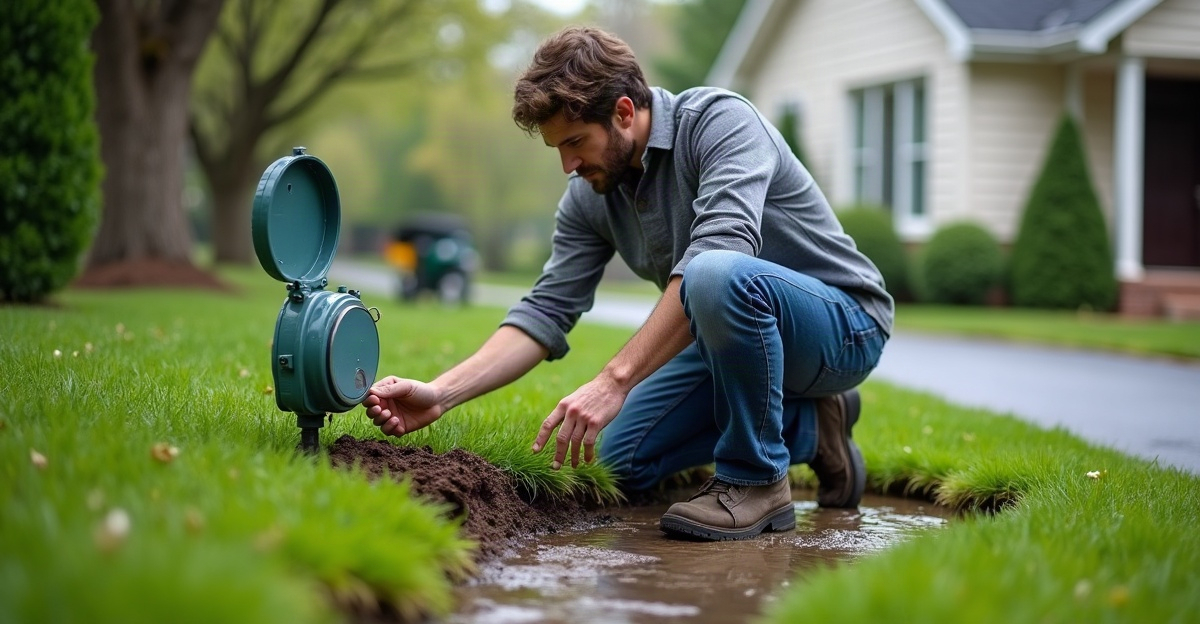
We can find an underground water leak by checking for meter movement while all water use remains off. We should also watch for unexplained high bills, low pressure, and persistent wet areas. First, we need to rule out visible plumbing and irrigation problems. If the signs suggest a hidden pressurized leak, we should schedule professional testing.
Key Takeaways
- We should shut off the main water supply and call a plumber immediately if flooding, rapidly expanding pools, electrical risks, or foundation damage appear.
- We can check the water meter after turning off faucets, appliances, irrigation systems, and other equipment that uses water automatically.
- We should inspect toilets, hose bibs, sprinkler heads, irrigation valves, and exposed pipes before we assume the leak sits underground.
- Wet or unusually green lawn areas, muddy soil, water sounds, and fluctuating pressure can signal a hidden water-line leak.
- Professional leak detection, including pressure tests and acoustic tools, can identify the repair area before excavation begins.
Act Now If Water Is Causing Damage or Creating a Safety Concern
Underground leaks can be hard to see, but warning signs and a water-meter check can show when further inspection is needed. We should shut off the home’s main water supply and call a plumber promptly if water is actively flooding, pooling grows quickly, or water reaches electrical equipment.
Fast action also matters when water pools near the foundation, visible damage appears, or the meter spins rapidly while all water use is off. A suspected hidden water pipe leak is not always an emergency, but waiting can waste water and increase property damage.
We should locate the main water shutoff valve before a problem occurs. It is often near the water meter, at the point where the service line enters the home, or in a utility area. If a valve is unfamiliar or difficult to operate, leave it alone and call for help.
Do not dig to investigate a leaking water line. Before any planned excavation, call California 811 to have buried utilities marked. California 811 does not diagnose a plumbing leak. It helps prevent damage to gas, electric, communication, and other buried lines before digging begins.
Central Valley homes can make underground water leak detection harder. Irrigation systems, dry soil, mature landscaping, older service lines, and slab foundations may hide early moisture or direct water away from the actual leak location.
Signs We May Have a Hidden Water Pipe Leak
No single symptom proves there is an underground leak. These signs warrant a closer check, especially when several occur at the same time.
A high water bill without a clear change in household use is a common concern. Other causes can include seasonal irrigation, a running toilet, appliance problems, pool filling, or increased water use at home.
Meter movement with everything off can also point to a problem. If faucets, appliances, ice makers, irrigation, and automatic water equipment are off but the meter still moves, a pressurized leak may be present.
Wet, muddy, soft, sinking, or unusually green areas in the yard can indicate a hidden water pipe leak. Puddles near the meter box, driveway, foundation, or known water-line route deserve attention. Still, rain, poor drainage, irrigation overspray, and landscape watering can create similar conditions.
A leaking water line may also cause low water pressure or pressure that changes without warning. Some homeowners hear running, hissing, or rushing water when fixtures and appliances are off. Cracks, erosion, or shifting soil can occur in certain cases, though these issues have many possible causes.
Warm areas on a floor may signal a possible hot-water slab leak. That symptom does not necessarily mean there is an underground exterior water-line leak. For suspected leaks beneath concrete, professional slab leak repair evaluation can help identify the right next step.
How to Find a Water Leak Underground: Safe Checks to Try First
Homeowners can perform a few safe checks before arranging underground water leak detection. Start by turning off intentional water use throughout the property. Shut off faucets, washing machines, dishwashers, irrigation controllers, ice makers, and other automatic water-using equipment where practical.
Next, check the meter. Many meters have a small low-flow dial or leak indicator that moves when water passes through the line. Record the meter reading, avoid using water for a set period, then compare the reading again. This is a practical way to learn how to check a water meter for leaks.
Check visible sources before assuming the line is underground. Look at toilets, hose bibs, water heater connections, exposed pipes, irrigation valves, sprinkler heads, and outdoor faucets. A running toilet or damaged sprinkler can cause a high bill and meter movement without a buried pipe failure.
If the meter continues moving when everything is off, a pressurized plumbing leak is possible. Professional testing is appropriate at that point, particularly if there is low water pressure or wet ground.
Some properties have a separate irrigation meter or irrigation shutoff. Isolating irrigation may help narrow down the source of a possible irrigation leak. We should not alter unfamiliar valves, backflow equipment, or controls. Incorrect operation can damage equipment or interrupt service.
DIY checks can identify warning signs and rule out obvious issues. They cannot reliably locate every hidden water pipe leak. Do not excavate, disturb unfamiliar valves, or attempt repairs near buried utility lines.
Water-Line Leak vs. Irrigation Leak vs. Sewer Problem
A water line leak versus irrigation leak can look similar above ground, but the pattern often differs. A pressurized water-line leak may make the meter move while all water use is off. It can also cause ongoing water loss and low water pressure.
An irrigation leak often appears only while a sprinkler or drip zone runs. Wet areas may follow the path of irrigation lines, heads, or valve boxes. If irrigation has its own meter, the home’s main meter may not show movement.
Sewer problem symptoms usually involve slow drains, backups, gurgling, sewage odors, or wastewater surfacing in the yard. A sewer issue does not typically cause a continuously moving water meter because it does not use pressurized incoming water.
Drainage problems, rain, irrigation overspray, and seasonal watering can resemble a leak. A property can also have more than one issue at once. For sewer-related damage or aging pipe concerns, sewer line replacement may be the practical long-term solution after a proper diagnosis.
How Professional Underground Water Leak Detection Works
The right detection method depends on pipe material, depth, soil conditions, accessibility, leak size, system pressure, landscaping, and the type of line involved. Potable water, irrigation, sewer, and drain piping each require a different approach.
We usually begin with a discussion of symptoms, water use, and recent changes at the property. Then we complete a visual inspection, meter checks, and pressure testing where appropriate. Pressure testing helps determine whether a water line is losing pressure.
Acoustic leak detection uses sensitive listening equipment to identify the sound or vibration of pressurized water escaping from a pipe. In some situations, tracer gas leak detection can help locate a hard-to-find leak when the line and access conditions support that method.
Thermal imaging can serve as a supplemental tool where temperature differences are present, such as in some hot-water slab leak situations. Camera inspection is useful for accessible drain and sewer piping. It is generally not the primary tool for locating every pressurized water-line leak.
Noninvasive leak detection aims to reduce unnecessary excavation, not promise that every leak can be found instantly or without digging. Once testing identifies the most likely area, targeted excavation may be needed to reach and repair the pipe.
What Happens After a Leak Is Found: Repairs, Costs, Prevention, and Local Help
After locating a leak, we may recommend a spot repair, a reroute, or water-line repair or replacement. The best choice depends on pipe condition, leak location, and whether the line has recurring failures. For aging or repeatedly damaged service lines, water line replacement can provide better long-term value than repeated repairs.
Underground water leak repair costs vary. Important factors include the pipe material and condition, leak depth, access, concrete or landscaping impacts, permit needs, restoration work, emergency conditions, and whether replacement makes more sense than another repair. We should ask for clear findings, repair options, restoration expectations, and an estimate before work begins whenever conditions allow.
Prevention starts with regular observation. Watch monthly bills and meter readings. Repair broken sprinkler heads and irrigation leaks quickly. Know where the main water shutoff valve is located. Inspect visible plumbing and hose connections periodically. Recurring pressure loss or repeated wet-yard areas deserve prompt evaluation.
Common Questions About Underground Leaks
How can we tell if there is a water leak underground?
Meter movement with water use off, persistent wet areas, unexplained bills, low pressure, and water sounds are common warning signs. A professional inspection confirms the cause.
Can an underground water leak increase a water bill?
Yes. A pressurized leaking water line can waste water continuously, even when fixtures are off.
Why is the water meter moving when everything is off?
Water may be flowing through a hidden plumbing leak, but a running toilet, appliance, irrigation system, or other automatic device may also be responsible.
Can a water leak underground cause low water pressure?
Yes. Pressure can drop if water escapes from the supply line before it reaches fixtures.
How do plumbers find leaks without digging up the entire yard?
We use meter checks, pressure testing, acoustic leak detection, tracer gas testing, and other methods to narrow the likely location before excavation.
Is a wet spot in the yard always an underground water leak?
No. Rain, drainage, irrigation overspray, and landscape watering can also create wet ground.
Should we shut off water if an underground leak is suspected?
Shut off the main supply if flooding, rapid pooling, foundation exposure, electrical risk, or visible damage occurs. Otherwise, arrange prompt evaluation.
Who should we call for underground water leak detection in Turlock, Modesto, or Merced?
If the meter keeps moving when water use is off, persistent wet areas appear, or a leaking water line is suspected, contact Sal’s Plumbing Service for professional underground water leak detection in Turlock, Modesto, Merced, and nearby Central Valley communities.