
PEX vs Copper Pipes: Which Is Better for Home Repiping?
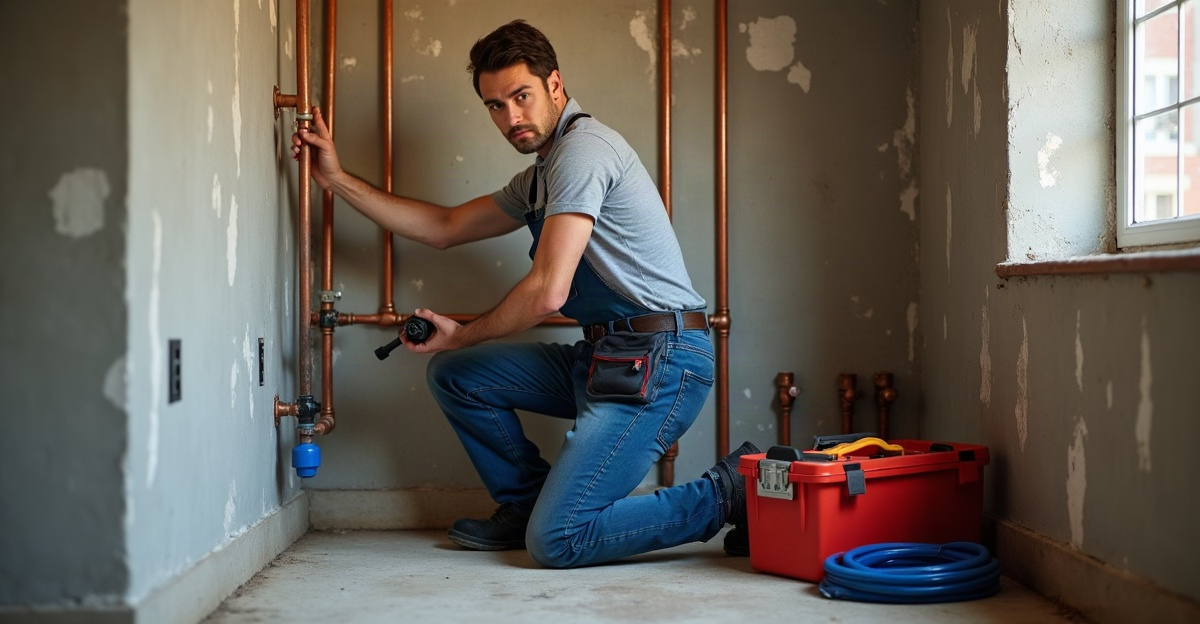
PEX vs. copper pipes for home repiping depends on our budget, pipe layout, water conditions, and local code requirements. PEX often costs less and installs faster. Copper can suit homes that require high heat tolerance or have water conditions that support lasting performance.
Key Takeaways
- PEX offers flexibility, resists corrosion, and often needs fewer fittings. These benefits can reduce installation time and cost.
- Copper lasts for years and handles high temperatures well. However, it costs more and can react poorly to unfavorable water chemistry.
- Correct sizing, routing, support, connections, and code compliance matter for both pipe materials.
- A single leak may require only a repair. Recurring leaks, corrosion, low pressure, or discolored water may signal a need for repiping.
- A licensed plumber should inspect the existing system, assess water conditions, and confirm local permit requirements before we select a material.
The Quick Answer: PEX Is Often Faster and Less Expensive, but Copper May Fit Some Homes Better
PEX vs. copper pipes is a common decision during a whole-home repipe. PEX is often less expensive and faster to install, while copper has a long performance history and may suit certain homes, pipe layouts, and owner preferences.
Neither material is always better. The right choice depends on the home’s water conditions, pipe routing, budget, local code, expected ownership period, and—most importantly—the quality of the installation. Poor sizing, weak connections, inadequate support, incorrect routing, or code violations can create problems with either material.
Many homeowners begin researching copper pipe replacement after recurring leaks, corrosion, reduced water pressure, discolored water, or rising repair bills. For homes, rental properties, and commercial buildings in Turlock, Modesto, Merced, and nearby Central Valley communities, we recommend an on-site inspection before selecting home repiping materials. A licensed plumber can assess the existing system and recommend a practical solution.
PEX Plumbing vs. Copper at a Glance
This PEX plumbing vs. copper comparison shows the main differences homeowners should consider.
- Upfront cost: PEX is generally less expensive for materials and installation. Copper usually has a higher material cost and can require more labor.
- Installation time: PEX flexes around framing and obstacles. That flexibility can reduce fittings and installation time. Copper is rigid and often takes more cutting, joining, and routing work.
- Flexibility: PEX is flexible and works well in walls, ceilings, crawl spaces, and tight areas. Copper is rigid and typically needs more fittings and connections to change direction.
- Durability: Both PEX and copper can provide long service when properly selected and installed.
- Corrosion resistance: PEX generally resists corrosion. Copper can corrode under unfavorable water conditions or in aging systems.
- UV exposure: PEX needs protection from prolonged sunlight. It may not suit every exposed or outdoor application. Copper handles exposure differently but still requires proper support and protection.
- Temperature tolerance: Copper handles high temperatures well. PEX must be installed within manufacturer requirements and local code.
- Noise: Pipe noise can depend on material, water pressure, routing, support, expansion space, and installation practices. A properly installed system helps limit movement and noise.
- Repair considerations: Copper repairs often require cutting and joining rigid sections. PEX repair methods depend on the system design and fitting type.
- Water conditions: Water chemistry can affect copper performance. Concerns about water quality or corrosion should be evaluated through testing and a professional assessment.
- Expected maintenance needs: Both materials need sound connections, proper support, protection from damage, and prompt attention when plumbing issues appear.
PEX Pipes: Benefits, Limitations, and Best-Fit Applications
PEX is a flexible plastic piping material used for many residential water supply systems. It can be routed through walls, ceilings, and narrow spaces with fewer fittings than rigid pipe. Fewer fittings can reduce installation time and limit the number of connection points.
For many repiping projects, PEX provides a cost-effective option. It generally resists corrosion and can allow efficient routing with less disruption to finished surfaces. Some PEX systems use a manifold, which supplies individual lines to fixtures and may make future shutoff access easier, depending on the design.
PEX can be a practical choice for homes with limited access, complicated layouts, or a need to control upfront repiping costs. Its flexibility may also reduce the number of wall openings needed during some projects, although access requirements vary by property.
PEX does have limits. It should be protected from prolonged UV exposure and may not fit every outdoor or exposed installation. Correct fittings, pipe sizing, routing, support, and connection methods matter just as much as the pipe itself. PEX installations must follow manufacturer instructions, applicable standards, California code, and local requirements.
Copper Pipes: Benefits, Limitations, and Best-Fit Applications
Copper is a durable, widely recognized piping material with a long performance history. A properly designed and installed copper system can perform well for many years when it suits the property and local conditions.
Some owners prefer copper because it is a traditional, rigid material that handles high temperatures well. It may be a good fit for certain applications, exposed locations where approved, or properties where the existing layout supports a copper installation.
Copper generally costs more than PEX in both materials and labor. Since it is rigid, it may require more fittings and more involved routing during a whole-home repipe. Water chemistry, corrosion, improper installation, and aging infrastructure can also contribute to pinhole leaks or other failures. Copper is not automatically the best option simply because it has been used for decades.
Water conditions can vary across Central California, including between neighborhoods in Turlock, Modesto, Merced, and surrounding communities. Rusty or discolored water, corrosion, unusual taste, or odor calls for water testing and a professional assessment. We do not make broad assumptions about a property’s water or piping condition without inspecting it.
Repiping Cost, Installation Expectations, and When Replacement Makes More Sense Than Repair
Exact repiping costs require an inspection. Home size, fixture count, number of bathrooms, wall access, pipe routing, permits, drywall repair, selected material, existing plumbing condition, water damage, and access to fixture supply lines can all affect the final price.
A professional home repiping service should include a clear scope of work before the project begins. Most projects involve temporary water shutoffs, access points behind walls or ceilings, new pipe routing, fixture connections, permits where required, final inspection, and cleanup. PEX installations may include a manifold system. Timelines vary by property, so a fixed schedule should not be promised before the work is assessed.
When Is Repiping Better Than Another Repair?
One isolated leak does not always mean a full repipe is necessary. A focused repair can make sense when the issue is localized and the remaining plumbing is in good condition.
A repiping evaluation is often worth considering when leaks recur in different areas, pinhole leaks keep appearing, corrosion is widespread, water pressure declines, water becomes rusty or discolored, or repair costs continue to add up. Hidden leaks below a foundation may also require prompt slab leak repair and a review of the wider plumbing system.
During an evaluation, we check for active leaks, visible corrosion, pressure concerns, previous repairs, accessible routing paths, fixture supply lines, and signs of water damage. This practical review helps determine whether repair or replacement offers the better value.
How to Choose the Right Pipe Material for Your Central California Home
A licensed plumber should confirm current California and local requirements before work begins. Approved materials, installation methods, and permit requirements can vary by jurisdiction and project. We also recommend reviewing applicable plumbing code resources, manufacturer installation requirements, and recognized plumbing standards.
Repiping Decision Checklist
Use these points to guide the conversation during an inspection:
- How old is the plumbing system?
- Are leaks isolated, or do they recur throughout the property?
- Has water pressure declined over time?
- What condition are the existing pipes in?
- Will remodeling improve access to walls, ceilings, or floors?
- What does water testing or a plumbing inspection show?
- How long does the owner plan to keep the property?
- What budget is available for installation, wall repairs, and future maintenance?
Common Repiping Questions
Is PEX cheaper than copper for repiping? In many projects, PEX is generally less expensive and faster to install. Final cost still depends on the home and project conditions.
How long do PEX and copper pipes last? Both can last many years. Water conditions, installation quality, maintenance, and exposure conditions affect lifespan.
Can PEX replace copper pipes? In many cases, yes. The system must be properly designed, permitted where required, and installed to applicable code.
Is copper better than PEX for drinking water? No universal answer applies. Approved materials must meet applicable standards, while water concerns may require testing and a local professional assessment.
Does a leaking copper pipe require a whole-home repipe? Not always. A single isolated leak may be repairable. Recurring leaks or widespread deterioration may justify replacement.
Is a permit required to repipe a California home? Permit requirements vary by jurisdiction and project. A licensed plumber should confirm current local requirements.
Homeowners dealing with recurring leaks, corrosion, low pressure, or aging pipes can schedule a professional Modesto repiping estimate with Sal’s Plumbing Service.