
Water Heater Making Noise: What Different Sounds May Mean
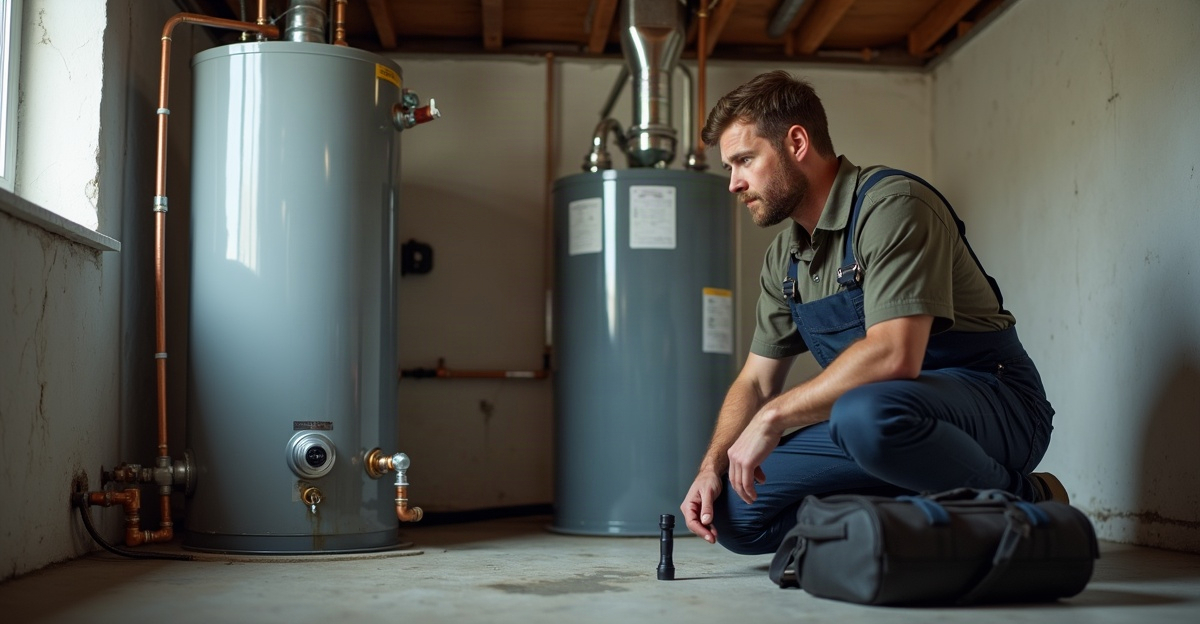
Water-heater noise can indicate sediment buildup, pipe movement, pressure shifts, moisture, or a failing part. The type and timing of the sound, along with leaks, weak hot-water flow, or electrical concerns, help us identify whether the unit needs maintenance or immediate service.
Key Takeaways
- Popping and rumbling often indicate sediment buildup in tank-style water heaters.
- Hissing or sizzling can indicate moisture, steam, a leak, or a pressure issue. We should inspect these sounds quickly.
- Banging or knocking may result from water hammer, high pressure, pipe movement, or thermal expansion.
- Whistling, crackling, or buzzing can indicate restricted water flow, scale on electric elements, or electrical part failures.
- Gas odors, active leaks, burning smells, sparks, repeated breaker trips, or worsening noise require immediate professional service.
What a Noisy Water Heater May Be Telling Us
A water heater making noise may have sediment buildup, changing water pressure, pipe movement, a failing component, or another issue. Sound alone cannot provide a certain diagnosis.
A noisy water heater does not always mean the unit is dangerous or needs replacement. Some sounds point to routine maintenance needs. Others call for prompt inspection, especially when leaks, pressure concerns, electrical symptoms, or poor hot-water performance appear at the same time.
The sound itself matters, but so does when it happens. We also need to consider the water heater type, visible moisture, water color, pressure symptoms, and whether hot water has become unreliable.
| Sound | Common Possible Causes | What to Look For | Recommended Next Step |
|---|---|---|---|
| Popping or rumbling | Sediment buildup in a tank | Noise during heating, reduced hot-water performance | Schedule an inspection and discuss flushing |
| Hissing or sizzling | Moisture on hot surfaces, steam, pressure concerns, burner operation | Drips, pooling water, persistent sound when idle | Inspect promptly, especially if moisture is present |
| Banging or knocking | Pipe movement, water hammer, pressure changes, sediment | Sound after faucets or appliances shut off | Have plumbing pressure and pipes checked |
| Whistling or screeching | Restricted flow, pressure, partially closed valve, component issue | Persistent high-pitched sound or poor water flow | Arrange professional service |
| Crackling or buzzing | Scale around electric elements, electrical component concerns | Breaker trips, burning smells, no hot water | Call for electrical-safe water heater service |
| Ticking or tapping | Pipe expansion and contraction | Sound as hot water begins or stops flowing | Inspect if the sound is loud, new, or paired with leaks |
When to Call for Help Right Away
Some water heater sounds need immediate attention. We recommend prompt professional help for gas odors, suspected gas leaks, burning smells, sparking, repeated breaker trips, active leaks, pooling water, or water near electrical components.
A leaking temperature-and-pressure relief valve also needs attention. This valve helps control excessive temperature and pressure inside a tank water heater. Rusty or discolored hot water, no hot water with unusual sounds, or a loud new noise that continues or worsens can also signal a problem that should not wait.
If anyone smells gas, avoid flames, switches, and electrical devices. Leave the area, then contact the gas utility or emergency services as appropriate. Do not attempt to troubleshoot gas controls or relight a pilot light while a gas odor is present. For non-emergency gas line concerns, our gas line repair service can help identify and correct the issue safely.
Homeowners should shut off water or power only if it is safe and they know how to do it. If there is any doubt, leave the equipment alone and contact a plumber. Active leaks, electrical concerns, and pressure symptoms can worsen quickly.
What Popping, Rumbling, Hissing, and Sizzling Sounds May Mean
Popping and rumbling often point to sediment in a water heater tank. Minerals in the water can settle at the bottom of a tank-style unit. As the burner or heating elements warm the water, small pockets of water can become trapped under the mineral layer. Those pockets heat and release, creating popping, crackling, or rumbling sounds.
This issue is common in hard-water areas and in tanks that have gone a long time without service. Sediment in a water heater can reduce heating efficiency, make the system work harder, and contribute to continuing noise. A water heater popping noise often suggests sediment, but we should not assume that is the definite cause without an inspection.
Hissing or sizzling needs closer attention. These sounds may occur when water contacts a hot surface. A small leak, steam, pressure issue, or normal burner-related operation in some gas models may create a similar sound.
A water heater that hisses when no hot water is running should be checked for moisture, leaks, pressure concerns, or component problems. Look around the base of the unit and near fittings for water, but do not remove panels or touch electrical connections. New, constant, or worsening hissing deserves a professional evaluation.
What Banging, Whistling, Crackling, Ticking, and Buzzing Sounds May Mean
Banging, knocking, or hammering does not always start inside the water heater. Water hammer can occur when a faucet, appliance, or valve stops water flow suddenly. Pipe movement, high water pressure, thermal expansion, loose pipe supports, and sediment can also create a sharp impact sound.
Whistling or screeching may point to restricted water flow, pressure problems, a partially closed valve, or a worn component. A brief sound may not be urgent, but persistent whistling should be inspected before it affects water flow or damages a valve.
Electric tank water heaters may make crackling sounds when sediment or scale surrounds the heating elements. The elements can overheat deposits and create noise during heating cycles. Humming or buzzing can also come from electrical components, heating elements, or nearby plumbing.
Ticking or tapping often occurs as hot water pipes expand and contract. This can be relatively harmless, especially if it happens briefly as water starts flowing. Still, loud new tapping, leaks, poor hot-water output, or banging that follows appliance use should be checked.
Burning smells, sparking, repeated breaker trips, or a loss of hot water are not normal electrical symptoms. We recommend arranging water heater repair rather than attempting to inspect wiring or heating elements without proper training.
Why the Water Heater Type Matters
Gas tank water heaters can make normal burner-related sounds during operation. Sediment, burner condition, ignition concerns, venting issues, and moisture around the unit can all affect the sound. New noises paired with gas odor, poor performance, visible water, or venting concerns need professional inspection.
Electric tank units may develop noise from scale around heating elements, sediment in the tank, loose components, or electrical problems. Repeated breaker trips, burning odors, sparking, and no hot water require service as soon as possible.
Tankless water heaters work differently from tank-style systems. Noise may relate to mineral scale, water-flow problems, fans, pumps, ignition, or internal components. We should not assume a tankless unit has the same sediment buildup that collects at the bottom of a storage tank. Proper diagnosis starts with confirming whether the unit is gas or electric and whether it stores water in a tank.
That information helps a plumber identify the source of a noisy water heater more accurately and recommend a repair that fits the equipment and installation.
Safe Checks, Maintenance, and Repair-or-Replacement Decisions
Homeowners can gather useful details before calling for service. Check for visible water around the base of the unit. Note whether hot water has become discolored, inconsistent, or different in smell. Pay attention to whether the sound happens during heating, while a faucet runs, after an appliance shuts off, or all the time.
It also helps to note whether the noise began after increased water use, a plumbing repair, or a utility interruption. Confirm whether the unit is gas, electric, tank-style, or tankless before scheduling service.
Do not remove access panels, adjust gas controls, tamper with wiring, or alter the temperature-and-pressure relief valve. Those parts protect the system and can create safety risks if handled incorrectly.
Flushing may reduce sediment-related noise and improve efficiency in some water heaters. However, it is not always a suitable do-it-yourself project. Older tanks, corroded units, and water heaters that have not received regular maintenance may leak or fail during or after draining. We recommend a professional assessment before flushing an older or visibly deteriorated tank.
Periodic professional inspection, flushing or descaling when appropriate, leak checks, and hard-water scale management can help prevent many noise-related problems. The right maintenance plan depends on manufacturer guidance, local water conditions, and the water heater’s condition.
Common Questions About Water Heater Noise
Is a popping noise from a water heater dangerous?
It can be a sign of sediment and may not be an emergency by itself. Still, continued popping can reduce efficiency and should be inspected if it is new, loud, or paired with leaks or poor performance.
Can sediment in a water heater cause damage?
Sediment can reduce efficiency, contribute to noise, and place extra strain on heating components. Severe buildup can make a tank less reliable over time.
Why does a water heater hiss when no hot water is running?
Hissing may indicate moisture reaching a hot surface, steam, pressure concerns, or a component issue. Persistent hissing requires inspection.
Should we flush a noisy water heater ourselves?
A newer, well-maintained unit may be suitable for flushing, but older or corroded tanks need professional evaluation first.
Is banging coming from the water heater or the pipes?
Either is possible. Pipe movement, water hammer, pressure changes, and thermal expansion can create banging that seems to come from the water heater.
When is it better to repair or replace a noisy water heater?
The decision depends on the unit’s age, condition, fuel type, tank size, maintenance history, repair needs, code requirements, and installation conditions. A licensed plumber can evaluate tank corrosion, leaks, sediment, heating performance, valves, water pressure, expansion concerns, venting, and hot-water output before making a recommendation.
Homeowners, landlords, property managers, and business owners in Turlock, Modesto, Merced, and nearby communities can contact Sal’s Plumbing Service for a water heater inspection, repair evaluation, maintenance service, or replacement recommendation. For local replacement help, we also provide water heater service in Modesto and water heater service in Merced when the source of the noise is unclear or safety concerns are present.