
Why Is My Water Pressure Low? Common Causes and Solutions
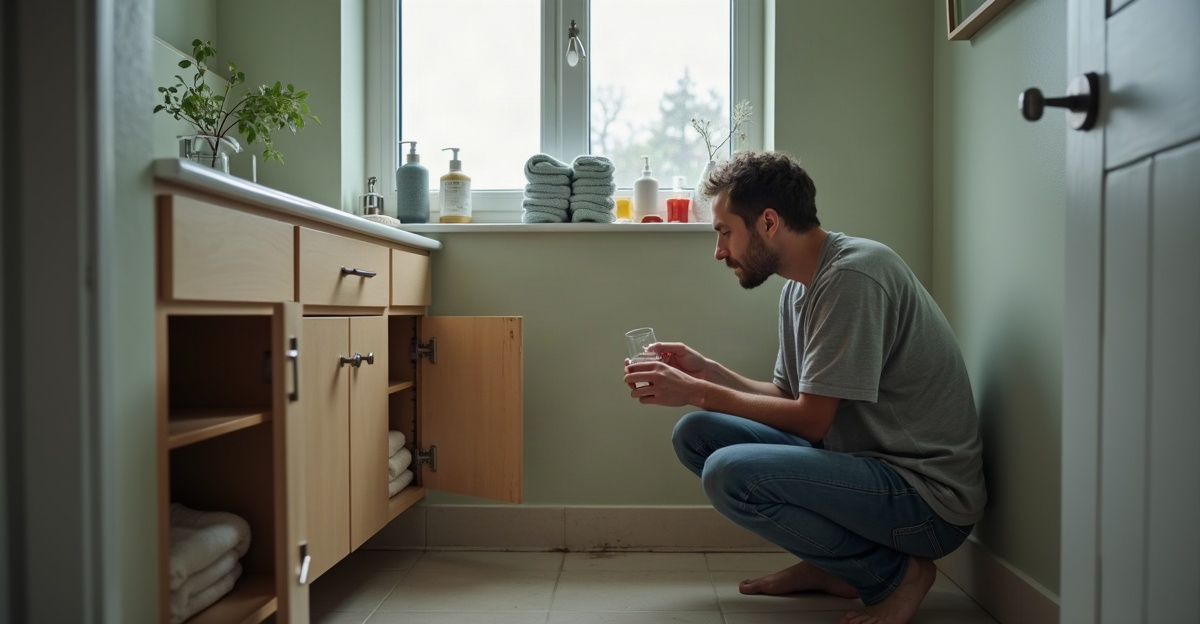
Low water pressure often has different causes. The issue may affect one fixture, only hot water, or several areas of our home. Common causes include clogged aerators, leaks, failing valves, corroded pipes, and utility supply problems. Sudden or widespread pressure loss, visible water damage, or discolored water calls for prompt professional inspection.
Key Takeaways
- Low pressure at one faucet or shower often results from mineral buildup, debris, a blocked supply line, or a partly closed fixture valve.
- Low pressure at several fixtures may indicate a main shutoff valve issue, a faulty pressure regulator, a hidden leak, corroded pipes, or a service-line problem.
- We should compare hot and cold water separately. Weak hot-water flow may involve the water heater, its valves, or hot-water pipes.
- We should check for wet spots, ceiling stains, pooling water, running-water sounds, and higher water bills. These signs can indicate a hidden leak.
- We recommend contacting the water provider for neighborhood-wide issues. We should call a plumber promptly for sudden pressure loss, leaks, sewage backups, or signs of pipe damage.
Low Water Pressure: What It Can Mean and When to Act Fast
The answer to why is my water pressure low depends on where and when the problem shows up. A clogged aerator or showerhead can weaken flow at a single fixture. When low water pressure in house plumbing affects the whole property, the cause may be a partly closed valve, a pressure regulator problem, a hidden leak, corroded pipes, a water heater issue, or a problem with the public water supply.
It helps to know the difference between pressure and flow. Water pressure is the force that pushes water through the pipes. Water flow is the amount of water that comes out of a fixture. A clogged aerator can reduce flow at one faucet even when the pressure in the pipes is normal. Low pressure throughout the property usually points to a broader supply or plumbing issue.
Call a Plumber Promptly If:
- Pressure drops suddenly at most or all fixtures.
- There is an active leak, pooling water, wet spots, or ceiling stains.
- The water turns rusty, brown, or discolored.
- Running water can be heard when every fixture is off.
- Sewage is backing up, or a pipe may have burst.
Low pressure does not always mean there is a leak. Several different problems can create the same symptoms, so a proper inspection is often the fastest way to find the real cause.
Start With the Pattern: Where and When Is the Pressure Low?
Before trying any fix, narrow down the pattern. A few simple questions help:
- Is the pressure low at one faucet, shower, or appliance, or at several fixtures?
- Is only the hot water weak, or only the cold water?
- Did the pressure drop slowly over time, or is the water pressure suddenly low?
- Do neighbors or nearby units have the same problem?
One weak fixture usually means a local restriction at that fixture. Several weak fixtures can point to a valve, regulator, leak, pipe, service line, or municipal supply problem.
Homes and commercial buildings in Turlock, Modesto, Merced, and the surrounding Central California communities vary widely in age. Many older properties still have original piping and valves, and local water conditions can leave mineral deposits over time. Both can affect water pressure.
If neighbors have the same sudden drop, or there is nearby construction, utility maintenance, or a possible water main break, contact the local water provider first. The problem may be on the supply side rather than inside the property.
A Few Terms Worth Knowing
- Aerator: The small screen at the end of a faucet. It mixes air with water and can collect mineral deposits and debris.
- Main shutoff valve: The valve that turns water service on or off for the whole property.
- Pressure regulator: A device that helps control the pressure of water entering the home from the public supply.
- Galvanized pipe: Older steel pipe with a protective coating. It can corrode on the inside over time and restrict water flow.
Low Pressure at One Faucet or Shower: Common Local Causes
When only one fixture is weak, the cause is usually close to that fixture:
- A clogged faucet aerator.
- Mineral buildup inside a showerhead.
- A blockage in the fixture or its supply line.
- A fixture shutoff valve that is partly closed.
Mineral deposits and debris can restrict one fixture without affecting water pressure anywhere else. A few low-risk checks can help:
- Compare the weak fixture with other faucets and showers.
- Clean the aerator or showerhead according to the manufacturer’s guidance.
- Confirm that the local shutoff valve is fully open, but only if it is easy to reach and clearly identifiable.
- Do not force a stuck valve. Older valves can break and start a leak.
A weak faucet should not automatically be treated as a whole-house pressure problem. If cleaning does not restore normal flow, if the issue keeps returning, or if there are signs of a blocked supply line or corroded piping, it is time for professional service. Sal’s Plumbing Service provides faucet repair and replacement when the fixture itself is worn out.
Low Pressure Throughout the House: Valves, Leaks, Pipes, and Supply Issues
When low water pressure in house plumbing affects several fixtures at once, common causes include:
- A main shutoff valve that is not fully open.
- A pressure regulator that is failing or not working correctly.
- A hidden plumbing leak.
- Corroded or restricted galvanized pipes.
- A water meter, service line, or municipal supply issue.
Older plumbing systems are more prone to corrosion and internal pipe restriction. Galvanized pipes can build up rust on the inside until the opening is much narrower than it should be. When that happens, whole home repiping may be the lasting fix. Our guide to PEX vs copper pipes explains the trade-offs between the two most common replacement materials.
Signs of a Hidden Leak or Pipe Problem
- Wet spots, dripping pipes, ceiling stains, or pooling water.
- Water around appliances.
- Unusual sounds of running water.
- An unexplained increase in the water bill.
- Discolored water, rusty water, or sediment.
Leaks can also hide under a slab or in the yard. Our slab leak detection and repair and water line repair and replacement services cover those situations, and our article on how to find a water leak underground walks through the warning signs.
Homeowners should not adjust pressure regulators, work on main water lines, or attempt invasive pipe repairs without the right skills and tools. These jobs can make the problem worse or lead to water damage.
If low water pressure affects multiple fixtures or returns after basic checks, schedule a professional plumbing inspection. You can request service from Sal’s Plumbing Service online.
Low Hot-Water Pressure and Sudden Pressure Loss
When Only the Hot Water Is Weak
If cold water flows normally but hot water pressure is low, the problem is usually on the hot side of the system:
- Sediment buildup in the water heater.
- A water heater shutoff valve that is partly closed, or a supply issue at the heater.
- Corrosion or a restriction in the hot-water piping.
Do not open, dismantle, or attempt complex repairs on a water heater. Gas and electrical components require proper training. Our article on water heater sediment covers the signs of buildup, and our team provides water heater repair and replacement when the heater is the source of the problem.
When Water Pressure Is Suddenly Low
A sudden drop is different from a slow decline. Common causes include:
- An active leak or a burst pipe.
- A water main break, utility maintenance, or nearby construction.
- A valve or pressure regulator that fails suddenly.
- A supply problem affecting a shared building or property.
Contact the local water provider if the problem appears to be neighborhood-wide. Call a plumber promptly if the pressure loss is sudden and widespread, or if it comes with visible leaks, water damage, discolored water, or sewage issues.
Landlords, property managers, and business owners should also consider shared supply lines, valves, and water service components when more than one unit is affected. If slow drains or sewage backups show up at the same time, drain cleaning or a sewer line inspection may also be needed.
Safe Checks, Professional Diagnosis, and Prevention
Safe Checks Before Scheduling Service
- Compare several fixtures around the property.
- Test hot and cold water separately.
- Ask neighbors whether they have the same issue.
- Check for visible leaks, wet spots, water around appliances, and unusual sounds of running water.
- Review whether the water bill has risen unexpectedly.
- Check that easily accessible, clearly labeled shutoff valves are fully open. Do not force stuck valves.
- Contact the local water provider if the problem appears neighborhood-wide.
How a Plumber Diagnoses Water Pressure Problems
A licensed plumber inspects fixture restrictions, valves, visible piping, pressure readings, the pressure regulator, water heater connections, leak indicators, and supply lines. The right repair depends on the cause, how accessible the pipes are, the age of the system, the layout of the property, and whether the issue is inside the property or with the utility supply.
Pricing depends on the diagnosis, any parts that need replacing, pipe access, the age of the property, and the scope of the repair. We explain the cause and the options before any work begins. Learn more about how our plumbing service works.
How to Help Prevent Low Water Pressure
- Schedule routine plumbing inspections for older homes.
- Address leaks early, before they grow.
- Maintain the water heater as recommended by the manufacturer and a qualified professional.
- Clean faucet aerators and showerheads periodically, especially in hard-water areas.
- Replace severely corroded or outdated piping when appropriate.
Common Water Pressure Questions
Why is my water pressure low at only one faucet? A clogged aerator, mineral buildup, a blocked supply line, or a partly closed fixture valve is the usual cause. Cleaning the aerator often helps. If it does not, a plumber can check the fixture and its supply line.
Why is my water pressure suddenly low? A sudden drop can come from a leak, a burst pipe, a failed valve or regulator, or a utility issue such as a water main break. Check with neighbors and the water provider, and call a plumber if there are leaks or signs of water damage.
Can a leak cause low water pressure? Yes. A leak lets water escape before it reaches the fixtures. Watch for wet spots, running-water sounds, and a higher water bill.
Why is hot water pressure low when cold water is fine? Sediment in the water heater, a partly closed valve at the heater, or corroded hot-water piping are common causes. A plumber should inspect the heater and its connections.
Can old pipes cause water pressure problems? Yes. Galvanized steel pipes can corrode on the inside over time, which narrows the path for water. Repiping may be the best long-term solution.
Who can fix low water pressure in Turlock, Modesto, or Merced? Sal’s Plumbing Service can help identify the cause of persistent or sudden low water pressure in Turlock, Modesto, Merced, and nearby areas. Contact us to schedule an inspection or request service.
By Sal’s Plumbing Service | Reviewed by our experienced plumbing service team | Last updated: October 2026